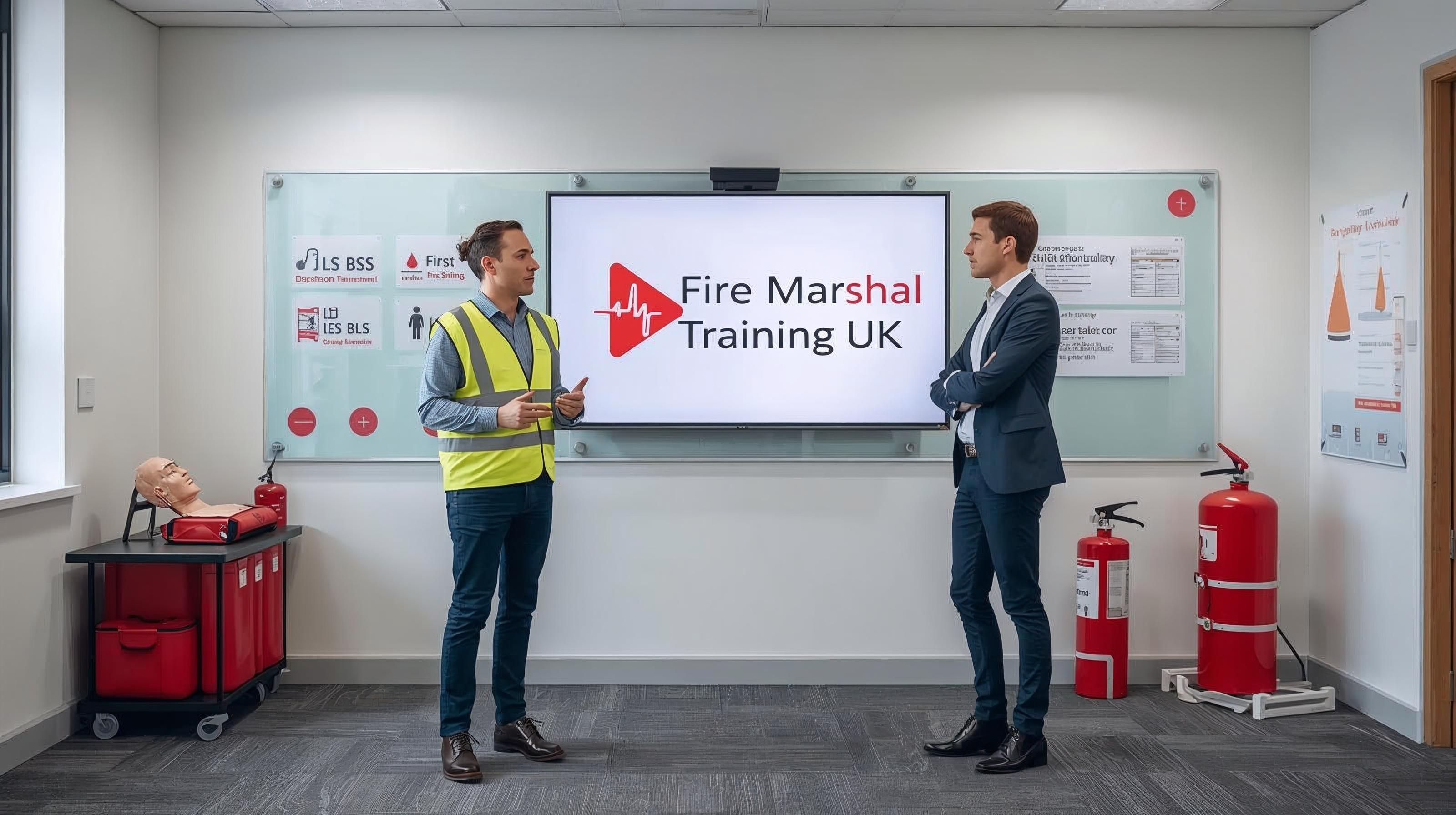
Understanding Group Compliance Training Benefits for UK Organisations


Group compliance training brings your entire team together for mandatory workplace safety instruction—first aid, fire safety, health and safety protocols—delivered in a single session by experienced professionals. Instead of juggling individual appointments and inconsistent knowledge across your workforce, you certify everyone at once with the same information, on the same day.
This approach delivers measurable advantages beyond simple scheduling convenience. You'll discover how group training reduces costs, strengthens legal protection, improves emergency response capabilities, and builds a safety culture that protects both your people and your organisation's reputation.
What Is Group Compliance Training
Group compliance training refers to mandatory workplace safety instruction delivered to multiple employees at the same time, in the same room. Instead of booking separate appointments for each person on your team, you bring everyone together for a single session covering topics like first aid, fire safety, health and safety protocols, and manual handling.
The difference between group and individual training goes beyond simple logistics. When your entire team learns together, everyone hears the same information on the same day, which means no one's working with outdated procedures or half-remembered details from a session they attended six months before everyone else. Plus, the group format actually mirrors how emergencies happen in real workplaces—you respond as a team, not as isolated individuals.
Most UK organisations use group compliance training to meet their legal obligations under Health and Safety at Work regulations. A typical session accommodates between 6 and 12 people, which works well for departments, shifts, or small companies that want to certify their whole workforce in one go.
Why Compliance Training Is Important for UK Organisations
UK employers carry a legal duty of care to protect their staff, which means providing adequate training isn't optional—it's a requirement under Health and Safety Executive (HSE) regulations. Without proper compliance training, organisations face legal and financial risks that include HSE enforcement actions, prosecution costs, and fines that can reach tens of thousands of pounds.
Beyond avoiding penalties, compliance training prevents workplace accidents that harm people and disrupt operations. When employees know how to respond to fires, medical emergencies, or hazardous situations, they protect themselves and their colleagues from preventable injuries. The duty of care extends further than most employers realize, too. If an incident occurs and you can't demonstrate that your staff received appropriate training, your organisation becomes vulnerable to civil claims, increased insurance premiums, and reputational damage that affects client relationships and hiring efforts.
Here's why compliance training matters:
- Legal compliance: Meeting HSE requirements protects your organisation from prosecution and financial penalties
- Duty of care: Fulfilling your responsibility to provide a safe working environment for all employees
- Risk management: Reducing the likelihood of workplace accidents, injuries, and the costs that follow
10 Key Benefits of Training Staff Together
Training your team as a group rather than individually creates advantages that go well beyond scheduling convenience. Here's what organisations gain when they bring employees together for compliance sessions.
1. Consistent Knowledge Across Teams
Everyone receives identical information at the same time, which means no one misses crucial details or learns outdated procedures. This consistency becomes particularly valuable during emergencies, when coordinated responses depend on shared understanding of protocols.
2. Faster Certification Cycles
You can complete entire team certifications in a single afternoon rather than scheduling multiple individual appointments over weeks or months. This compressed timeline means your workforce becomes compliant faster, and you can get back to focusing on business operations instead of ongoing training logistics.
3. Reduced Per-Head Cost
Flat-rate group pricing makes training significantly more economical than paying individual session fees for each employee. Most providers charge one rate for up to 12 participants, which can reduce your per-person cost by 60% or more compared to individual bookings.
4. Peer-Supported Learning
Team members learn from each other's questions and experiences during interactive sessions, which deepens understanding beyond what any individual could achieve alone. When a colleague asks about a scenario you hadn't considered, everyone benefits from the instructor's answer.
5. Higher Engagement Levels
Group dynamics naturally increase attention and retention because participants stay alert to contribute to discussions and activities. Unlike solitary online modules where employees might multitask or zone out, group sessions create social accountability that keeps everyone focused.
6. Real-World Scenario Practice
Teams practice emergency procedures together, mirroring how they'll actually respond during workplace incidents. This collaborative practice builds muscle memory and communication patterns that prove invaluable when seconds matter.
7. Streamlined Documentation
A single session generates all required certificates and compliance records at once, which simplifies your administrative burden considerably. Rather than tracking down certificates from different training dates and providers, you maintain one organised set of documentation for your entire team.
8. Improved Audit Readiness
Consistent training records across teams simplify regulatory inspections because auditors can quickly verify that everyone received the same standard of instruction. This uniformity demonstrates your commitment to systematic safety management.
9. Stronger Safety Culture
Shared learning experiences build collective responsibility for workplace safety rather than treating it as an individual concern. When your whole team understands the same protocols, they naturally reinforce safe practices with each other throughout daily operations.
10. Positive Brand Reputation
Demonstrating commitment to employee welfare enhances your reputation with clients, partners, and prospective employees. Organisations known for thorough safety training attract better talent and win more contracts, particularly in sectors where safety records influence purchasing decisions.
Legal and Financial Upsides That Reduce Hidden Costs of Non-Compliance
The true cost of inadequate compliance training extends far beyond obvious HSE fines. Organisations without proper training programmes face cascading financial consequences that affect multiple aspects of operations.
1. Avoidance of Fines and Penalties
HSE enforcement actions for non-compliant organisations can result in fines ranging from £5,000 to £20,000 for minor breaches, while serious violations leading to injury or death can trigger unlimited fines and director prosecutions. The penalties increase substantially when organisations can't demonstrate they provided adequate training to prevent incidents.
2. Lower Insurance Premiums
Insurers frequently reduce premiums for organisations with comprehensive, documented training programmes because companies with trained staff present lower risk profiles. On the other hand, organisations with poor training records face higher premiums or even policy exclusions that leave them financially exposed.
3. Cutting Absence and Accident Costs
Proper training directly reduces workplace injuries, which means fewer sick leave days, lower recruitment costs to cover absent staff, and maintained productivity levels. The average workplace injury costs UK employers around £8,000 when you factor in lost productivity, temporary staff, and administrative time—expenses that proper training prevents.
How Group Delivery Drives Engagement and Knowledge Retention
Group training sessions achieve significantly higher engagement and retention rates than online modules or individual instruction because they leverage social learning dynamics and hands-on practice. When employees learn together, they stay alert, ask questions, and participate actively rather than passively watching videos.
The interactive nature of group sessions means participants practice physical skills with actual equipment under expert supervision. There's an enormous difference between watching someone perform CPR and actually positioning your hands on a training mannequin while an experienced paramedic corrects your technique. Peer discussion during group sessions also reinforces learning because employees share workplace-specific scenarios and challenges with each other. When a colleague describes a near-miss incident from your actual facility, everyone pays closer attention than they would to generic examples in a training video.
Effective group training incorporates engagement techniques like hands-on practice with equipment (defibrillators, fire extinguishers, first aid supplies), team scenarios that simulate real workplace emergencies, peer discussion that draws on colleagues' experiences, and expert instruction from professionals with real-world emergency experience—paramedics, ER nurses, and NHS staff who've managed actual incidents.
Step-By-Step Guide to Rolling Out On-Site Group Training
Implementing an effective group compliance training programme requires thoughtful planning rather than rushed scheduling. Here's how to approach the process systematically.
Step 1: Plan Annual Compliance Calendar
Schedule renewal dates for all required certifications at the start of each year, coordinating with business operations to minimise disruption. Most UK workplace compliance certificates expire three years after issue, though some specialised training requires annual updates.
Step 2: Map Course Content to Roles
Identify which employees need specific certifications based on their job responsibilities and the particular risks present in your workplace. While everyone might need basic first aid training, only certain roles require specialised instruction like manual handling or working at heights.
Step 3: Confirm On-Site Logistics
Arrange a suitable training space with adequate room for practical exercises, confirm equipment access, and verify employee availability for the scheduled session. On-site training eliminates travel time and allows instructors to tailor scenarios to your actual workplace environment.
Step 4: Collect and File Certificates
Maintain organised records for audit purposes and track renewal requirements so you receive advance notice before certifications expire. Digital filing systems work well, though you'll want backup copies since auditors may request documentation with little notice.
Choosing the Right UK Provider for Mandatory Courses
Not all compliance training providers deliver the same quality of instruction or documentation, which means selecting the right partner significantly affects your outcomes.
1. Accreditation and Instructor Credentials
Verify that providers hold relevant certifications from recognised bodies and employ experienced professional instructors rather than recently qualified trainers. The difference becomes apparent immediately—instructors with paramedic or NHS backgrounds bring real emergency experience that transforms training from theoretical to practical.
2. Customisation Options
Generic training courses often miss workplace-specific risks that your employees actually face. Look for providers willing to tailor content to your industry, facility layout, and particular hazards rather than delivering identical sessions to every client.
3. Flat-Rate Pricing Transparency
Seek clear group pricing without hidden fees, per-person charges, or surprise costs for certificates and materials. Reputable providers quote one comprehensive rate that covers everything from instruction to documentation.
4. Post-Course Support
Confirm that providers offer certificate management services and renewal reminder systems so you never miss expiration dates. This ongoing support proves particularly valuable for organisations managing multiple teams across different certification schedules.
Real-World Results UK Teams Can Expect
Organisations that implement comprehensive group compliance training programmes see measurable improvements across multiple areas of operations. Teams develop genuine emergency response capabilities rather than theoretical knowledge, which means employees know exactly how to react during workplace incidents instead of freezing or panicking.
Employee anxiety about workplace safety decreases noticeably when staff feel prepared and protected through proper training. This psychological benefit improves overall workplace satisfaction and reduces stress-related absence. Organisations also find that regulatory audits become smoother processes rather than stressful ordeals. When inspectors review organised documentation and observe confident, well-trained staff, they complete assessments quickly and note your commitment to compliance in their reports.
Expected outcomes include confident emergency response (teams know exactly how to react during incidents), reduced workplace anxiety (employees feel prepared and protected), smoother audits (organised documentation and well-trained staff impress inspectors), and team cohesion (shared training experiences strengthen workplace relationships).
Ready to Protect Your People and Stay Compliant With Kasorb
Group compliance training delivers substantial advantages for UK organisations, from legal protection and cost savings to improved safety culture and employee confidence. The group format proves particularly effective because it combines consistent knowledge delivery with peer-supported learning and hands-on practice that prepares teams for real emergencies.
Kasorb specialises in delivering practical, engaging compliance training through experienced instructors including paramedics, ER nurses, and NHS staff who bring frontline emergency experience to every session. Our flat-rate group pricing for up to 12 participants makes comprehensive training economically accessible, while on-site delivery ensures content addresses your specific workplace risks and scenarios.
Ready to certify your team with training that actually prepares them for real workplace emergencies? Book Training Instantly and secure your preferred date with Kasorb's experienced instructors.
FAQs About Group Compliance Training
How often should group compliance certificates be renewed in the UK?
Most UK workplace compliance certificates require renewal every three years, though some specialised training may need annual updates depending on industry requirements and HSE guidelines. First aid at work certificates, for example, expire exactly three years from the issue date, while certain hazardous environment training requires more frequent refreshers.
Can employees with different job roles attend the same group compliance session?
Yes, mixed-role groups work well for general compliance topics like first aid, fire safety, and health and safety awareness since the skills apply universally across positions. However, some specialised training—such as manual handling for warehouse staff or working at heights for maintenance teams—requires role-specific content tailored to particular workplace risks.
What compliance documentation must UK organisations store for HSE audits?
Organisations maintain current certificates, training records, and instructor credentials for all employees, typically stored for the duration of employment plus additional years as specified by industry regulations. Most compliance professionals recommend retaining records for at least six years after an employee leaves, since legal claims can emerge years after incidents occur.


Book a free 15-min consult call with us. We’ll help you get your mandatory training done right.