Down's Syndrome Life Expectancy: A Guide for Care Teams
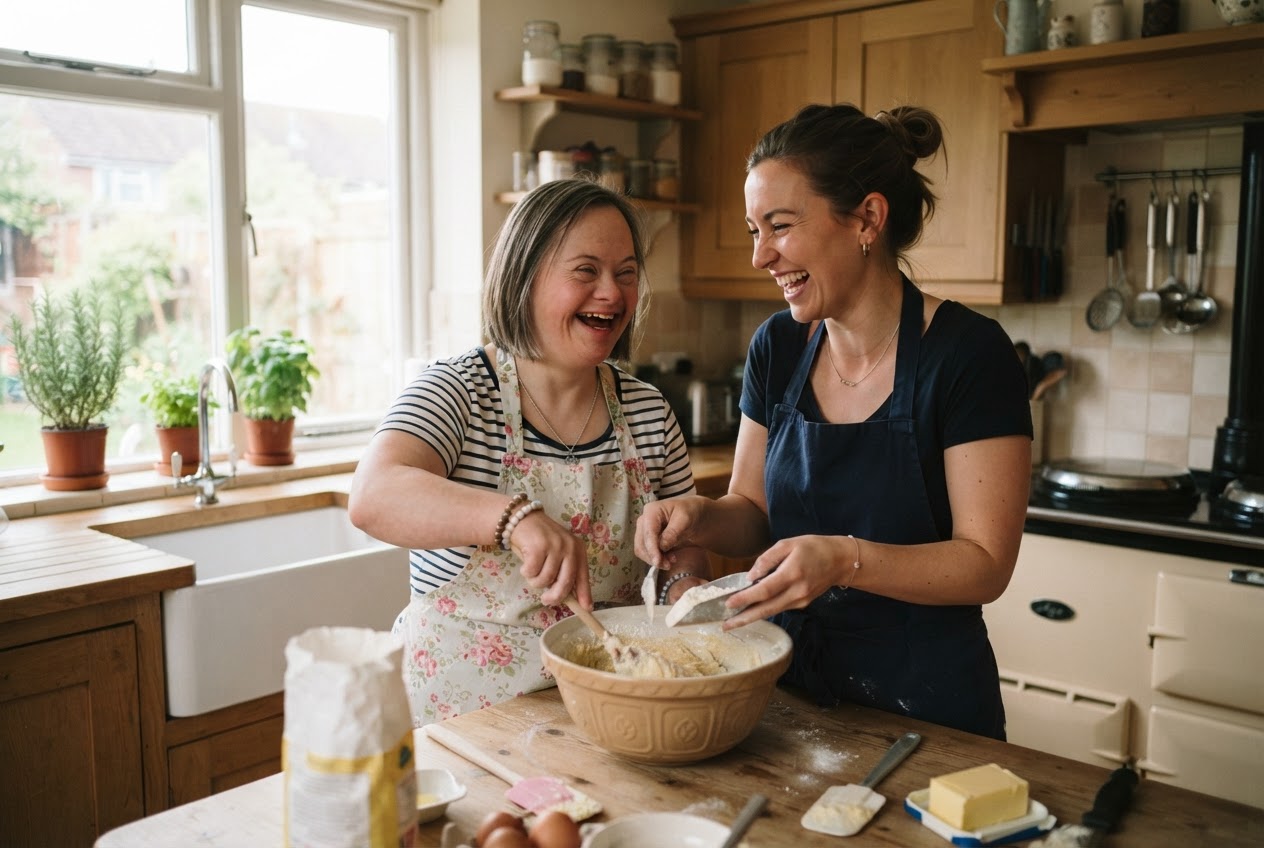

Life expectancy for people with Down's syndrome is now around 58 years, according to the government's explanatory notes to the Down Syndrome Act 2022, and it has risen in recent years. That is still shorter than for the population as a whole. Earlier-onset dementia is one of the biggest health risks as people get older, which is why everyday support matters so much.
What the life expectancy figures tell you
Around 58 years is an average, not a forecast for the person you support. The same explanatory notes say people with Down's syndrome may be at an even greater risk of early death than people with learning disabilities generally.
In England, the LeDeR programme (Learning from Lives and Deaths) reviews the deaths of people with a learning disability. Its 2024 annual report found:
- Down's syndrome was recorded for 17% of the 11,687 adults with a learning disability who died between 2021 and 2024 and had a LeDeR review.
- 23.8% of adults with Down's syndrome died in a residential or nursing home, compared with 15.4% of other adults with a learning disability.
- In 2024, Down's syndrome itself was the most common underlying cause of death written on death certificates.
LeDeR warns that recording a lifelong condition as the cause of death could hide avoidable causes. The same trap exists on shift: when someone becomes slower or quieter, it's easy to put it down to their Down's syndrome or "getting older". Your team is usually the first to notice, so look for a treatable reason.
Health conditions to keep an eye on
Down's syndrome happens when someone is born with an extra chromosome, an extra copy of chromosome 21. The NHS page on related health conditions and the Down's Syndrome Association's annual health checklist for GPs highlight these:
- Heart: about half of children with Down's syndrome are born with a heart condition, according to the NHS.
- Hearing and sight: both need regular checks. The checklist says well over half of people with Down's syndrome have significant hearing loss, and recommends yearly hearing and sight checks.
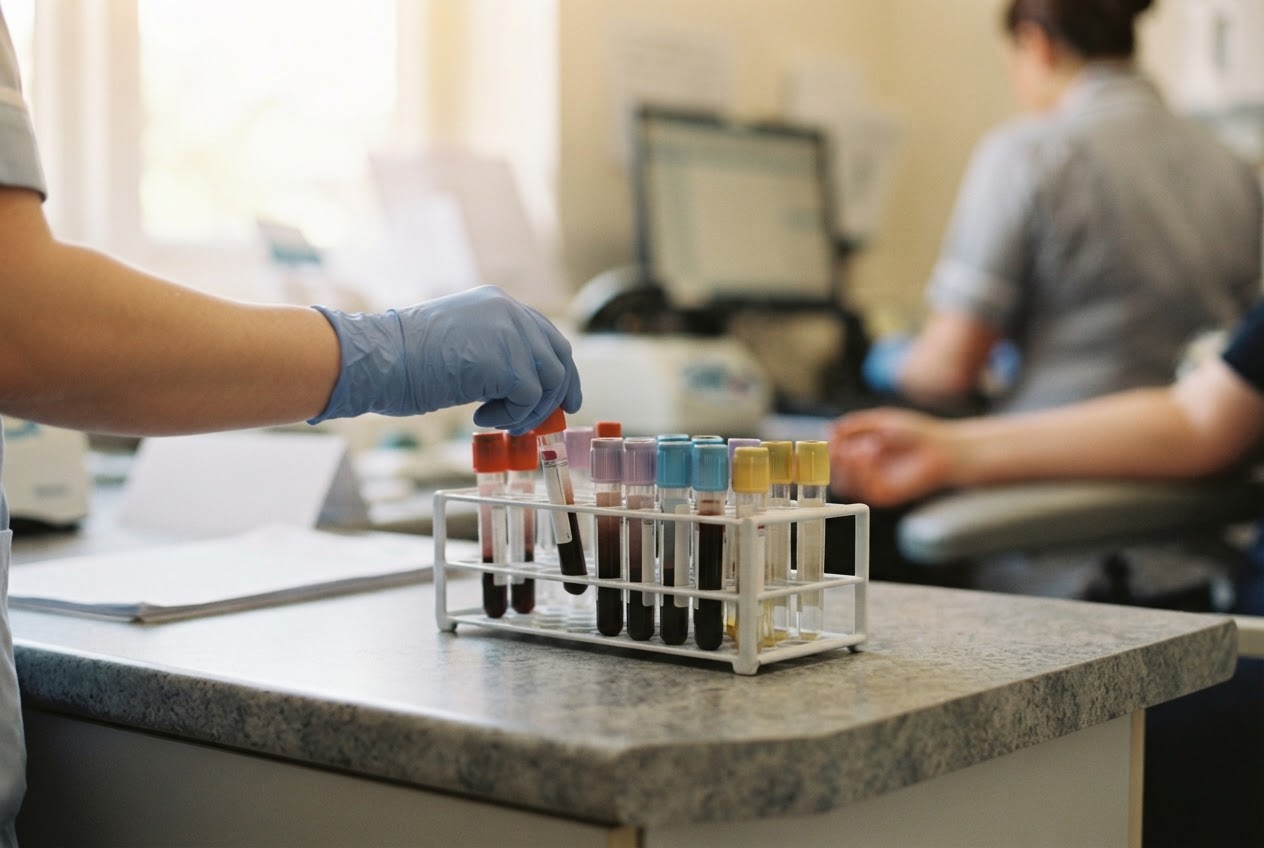
- Thyroid: the checklist recommends yearly thyroid blood tests. An underactive thyroid can be mistaken for low mood or slowing down.
- Coeliac disease and diabetes: a yearly check for signs of coeliac disease is recommended, and type 1 diabetes is relatively more common.
- Sleep: GPs are asked to check for disturbed sleep and sleep apnoea. Loud snoring, pauses in breathing and daytime sleepiness are worth reporting.
- Mouth, swallowing and chest: the checklist links poor oral health to aspiration pneumonia, flags reflux, and asks about swallowing and aspiration risk. See our dysphagia awareness training.
- Constipation: the checklist calls it a high-risk issue that can lead to severe complications, so it needs active management.
- Menopause: it typically comes about six years earlier than in the general population.
Down's syndrome and dementia
The Alzheimer's Society says people with Down's syndrome are at particularly high risk of dementia, with 2 in 3 people over the age of 60 developing it, usually Alzheimer's disease. Researchers at the UK Dementia Research Institute link this to the extra copy of chromosome 21, which carries the gene for amyloid precursor protein. Having an extra copy leads to more of the amyloid that builds up in the brain in Alzheimer's.
Because dementia can start younger, the NHS advises regular check-ups for signs of dementia from about age 30. The Down's Syndrome Association's checklist notes that symptoms starting before 40 are uncommon.
Early signs don't always look like memory loss. The NHS lists trouble remembering new things, getting confused more easily and difficulty understanding speech. The Alzheimer's Society adds that people with more complex learning disabilities may first show changes in personality and mood, difficulty making decisions, or losing everyday skills such as dressing or making a drink.
Other causes need ruling out first. The checklist says depression, an underactive thyroid, sight or hearing loss and changes in someone's surroundings should all be excluded before Alzheimer's is diagnosed.
A practical step: write down what the person can do now, while they're well, such as how they dress, the routes they know and the jokes they tell. That gives the GP something to compare against later. Our dementia awareness training helps staff spot and record change.
Annual health checks and health action plans
In England, anyone aged 14 or over who is on their GP's learning disability register can have a free annual health check. A doctor or nurse does physical checks and reviews medicines and vaccinations. Agreed next steps, and any reasonable adjustments, should be written in a health action plan or health profile. Practices don't have to offer the check, but the person can ask for one.
What your team can do:
- Check the person is on the GP's learning disability register.
- Bring notes of any changes you've seen since the last check.
- Make sure the actions in the health action plan actually happen, and record them.
The Down Syndrome Act 2022
The Down Syndrome Act 2022 received Royal Assent on 28 April 2022. It requires the Secretary of State to give guidance to relevant authorities in England on the steps they should take to meet the needs of people with Down's syndrome. The Act's schedule covers the NHS, social care, housing, and education and youth offending. Once the guidance is published, those authorities must have due regard to it.
Where it stands now: the government consulted on draft statutory guidance from 5 November 2025 to 30 March 2026. At the time of writing (October 2026), the consultation page says the government is analysing the feedback, and the final guidance has not yet been published. The duty sits with the bodies the Act lists, such as NHS bodies, councils and schools, rather than with adult care providers, but it's worth following as it develops.
What staff should look out for as people age
Report anything new and record it, following your local policy and the person's care plan:
- losing skills they used to manage, or needing more prompting
- changes in mood, sleep or behaviour, including withdrawing from things they enjoyed
- coughing or choking at meals, or repeated chest infections
- weight change, constipation or signs of pain
- new difficulty hearing or seeing
Talk early with the person and their family about what matters to them as they age. Our end of life care training supports staff with those conversations.
How Kasorb can help
Kasorb's Down's syndrome awareness training helps staff understand Down's syndrome, the health conditions that are more common with it, including earlier-onset dementia, and how to support communication, independence and wellbeing. It covers the changes staff should report, annual GP health reviews and health action plans, and person-centred support. Your trainer has used these skills for real.
We run it at your premises anywhere in the UK or live online, for up to 12 staff, at one price for the group. Certificates are emailed the next day. It adds depth alongside the Oliver McGowan Mandatory Training rather than replacing it.
This guide summarises the law and guidance; it isn't legal advice.
FAQs
What is the life expectancy of someone with Down syndrome?
The government's explanatory notes to the Down Syndrome Act 2022 put life expectancy for people with Down's syndrome at around 58 years, and say it has risen in recent years. It's an average, so it doesn't predict how long any one person will live. Good health checks and support with conditions such as heart problems and dementia matter.
At what age does dementia start in Down's syndrome?
Dementia tends to start younger than in the general population. The NHS advises regular check-ups for signs of dementia from about age 30, and the Down's Syndrome Association notes that symptoms before 40 are uncommon. The Alzheimer's Society says 2 in 3 people with Down's syndrome over 60 develop dementia.
What does the Down Syndrome Act 2022 do?
It requires the Secretary of State to give guidance to NHS, social care, housing and education bodies in England on meeting the needs of people with Down's syndrome. Those bodies must have due regard to it. A consultation on draft guidance closed on 30 March 2026, and the final guidance had not been published by October 2026.
Do people with Down's syndrome get an annual health check?
In England, anyone aged 14 or over on their GP's learning disability register can have a free annual health check. It covers physical checks, medicines and vaccinations, and should lead to a health action plan. If the GP practice doesn't offer one, the person or their supporters can ask for it.
What health problems are more common in adults with Down's syndrome?
Common ones include hearing and sight problems, an underactive thyroid, heart conditions, sleep apnoea, coeliac disease, constipation, swallowing difficulties and earlier menopause. Dementia, usually Alzheimer's disease, is much more common and starts younger. Regular GP reviews and staff who notice and report change both help.
On-site training for your whole team at one flat rate. See what's covered, prices and how to book.
See the course

Not sure which course your team needs? Tell us about your setting and we'll confirm within 48 hours.