What Is a PICC Line? A Guide for Care Teams
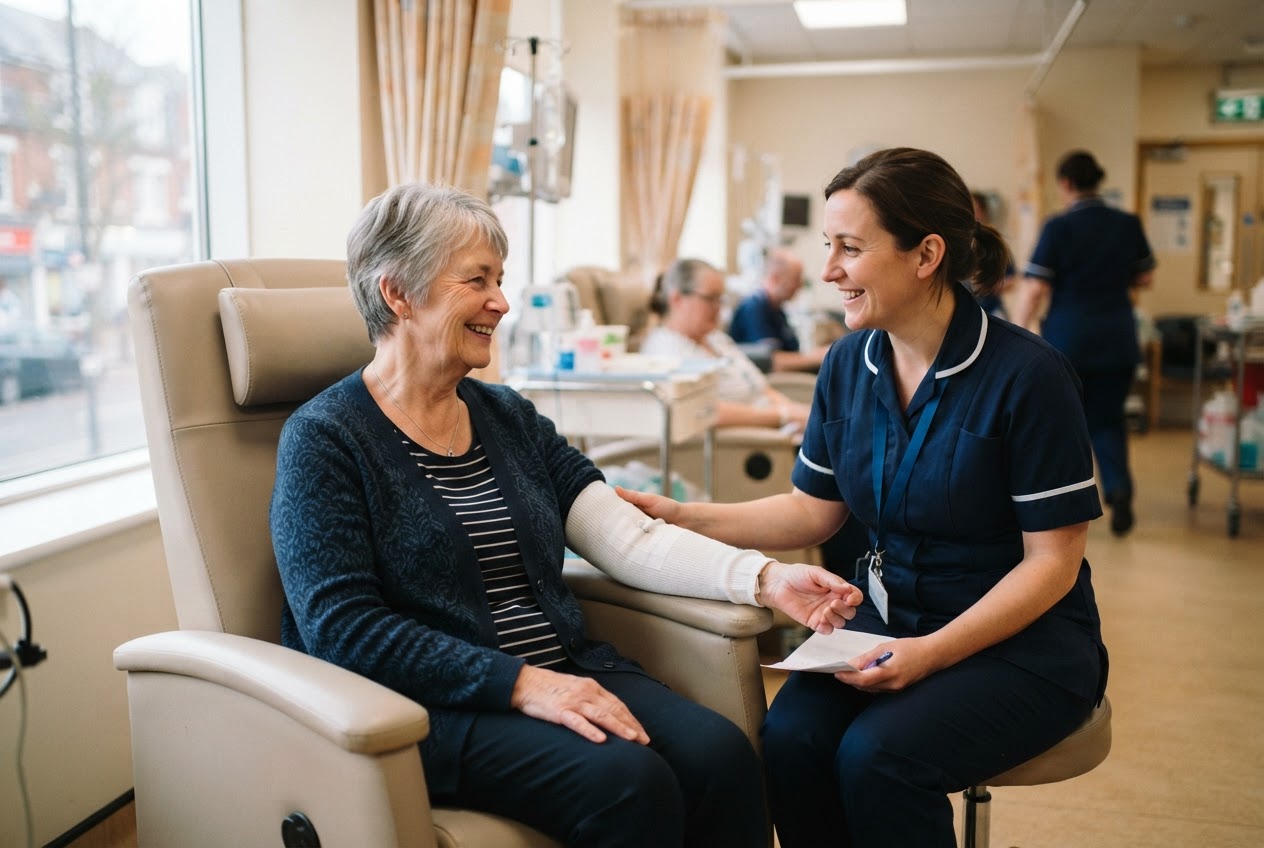

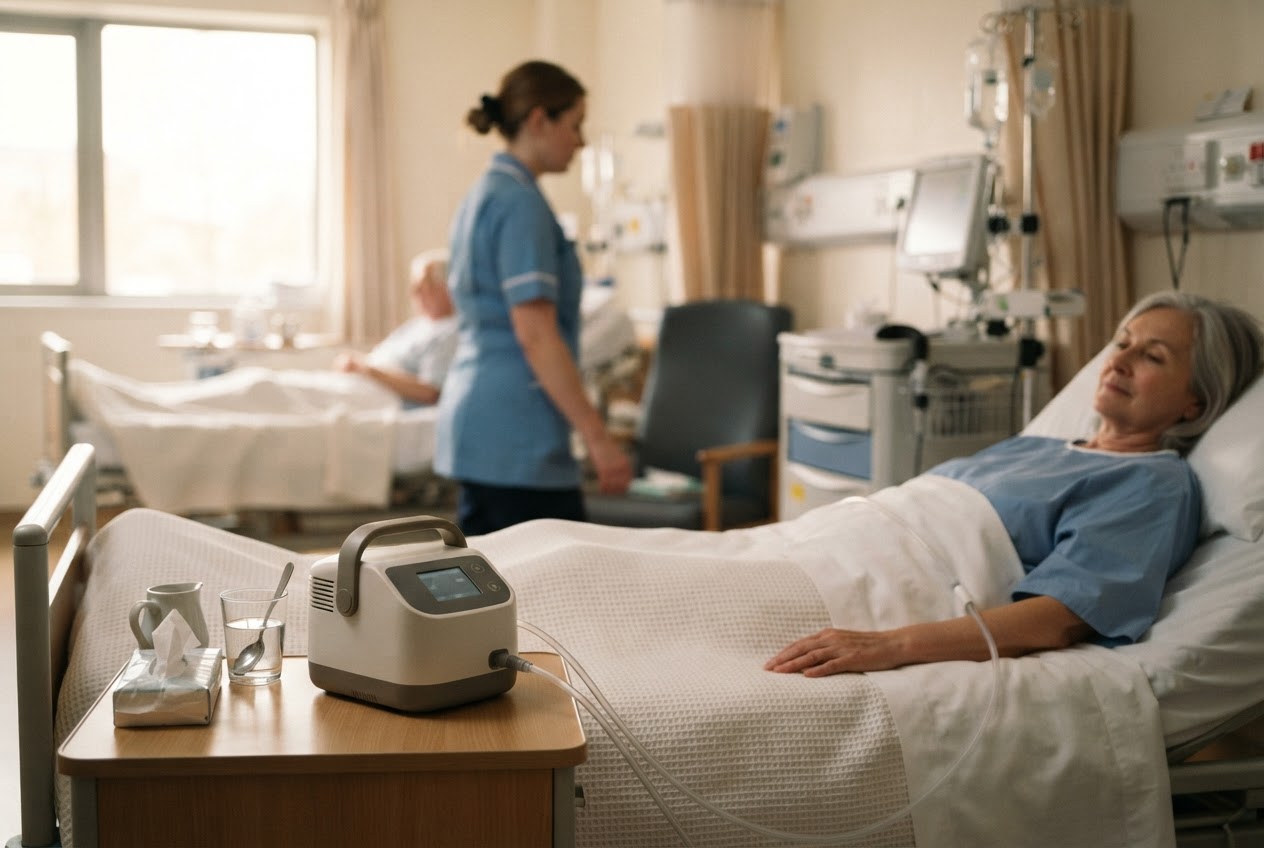
A PICC line (peripherally inserted central catheter) is a long, thin, flexible tube put into a vein in the upper arm, with its tip resting in a large vein just above the heart. It lets a person have medicines, fluids, nutrition or blood tests through one line for weeks or months, instead of repeated needles or cannulas.
This guide is written at awareness level for care managers and staff. Line care itself is a clinical task for trained nurses, done under your local policy and the person's care plan.
What a PICC line is used for
NHS patient information describes PICCs being used for:
- intravenous antibiotics, often over several weeks
- chemotherapy and other cancer treatments
- nutrition straight into the bloodstream
- fluids and blood transfusions
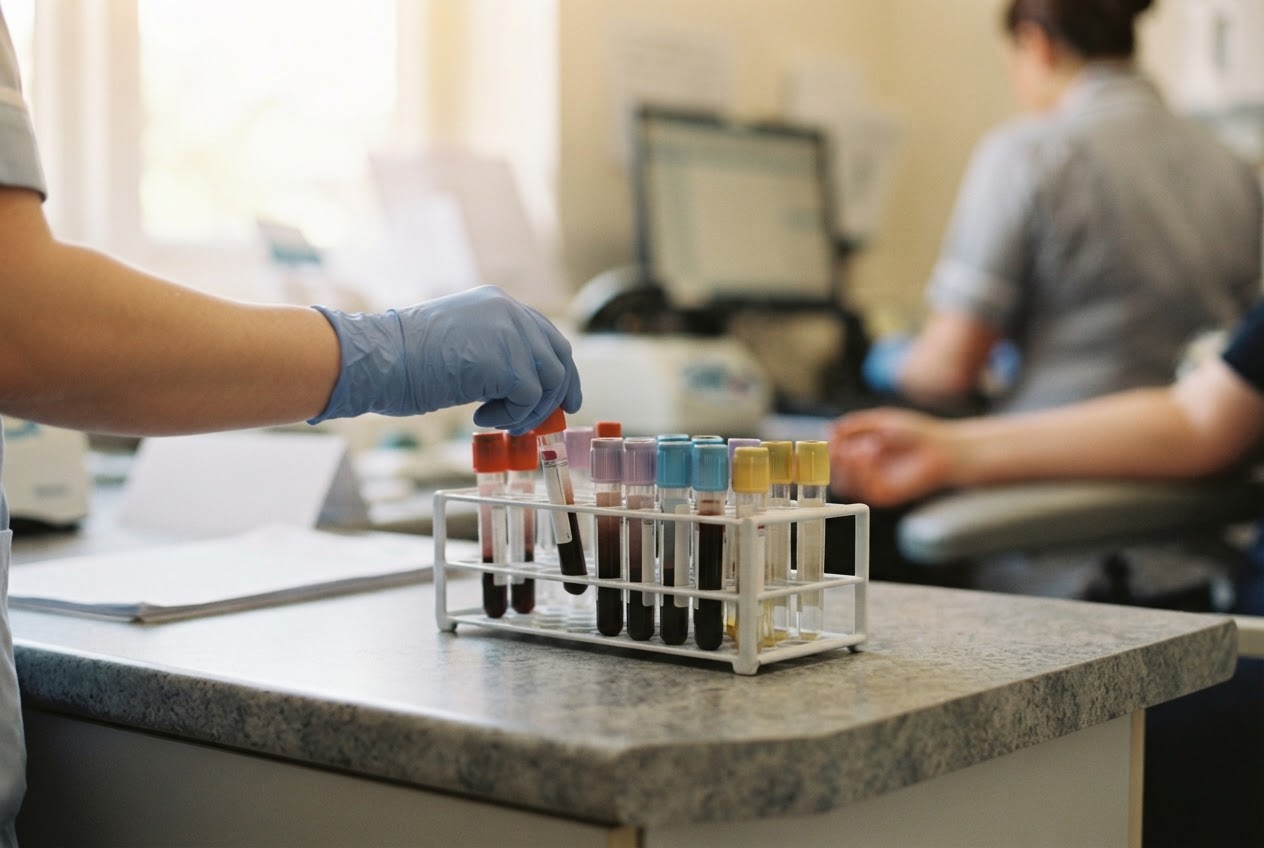
- blood samples, so the person doesn't need a needle every time
PICCs also suit people with small or hard-to-find veins, or who find needles distressing. Many people go home, or back to their care home, with the line in place and carry on treatment there, with community or district nurses visiting.
How a PICC is put in
A PICC is inserted in hospital by a trained specialist, often in the radiology department, and NHS trust leaflets say it usually takes 30 minutes to an hour. The tube goes into a vein above the elbow and is threaded along until the tip sits near the heart. A short length stays outside the arm, held in place and covered with a clear dressing. It may have one or two separate channels (lumens).
PICC line vs central line vs cannula
Strictly speaking, a PICC is a central line, because its tip sits in a central vein. The difference people usually mean is where the line goes in and how long it stays. Cancer Research UK describes the main options:
- Cannula: a short, thin tube in a vein in the hand or arm, which can stay in for a few days if needed.
- PICC line: goes in through the arm and ends near the heart, and can be left in for several months. NHS leaflets say six to eight months if it's cared for well.
- Tunnelled central line: usually goes in at the centre of the chest, with part of the tube running under the skin before it comes out.
- Implanted port: a small chamber that sits completely under the skin, with no tube outside the body. A nurse puts a needle into it when treatment is needed.
Which line a person gets is a clinical decision for their hospital team. Your staff need to know which device the person has, because each has different care needs. If your nurses place peripheral lines themselves, see our cannulation training.
Living with a PICC line
Most people get on with daily life with a PICC, but a few things change. Gateshead Health NHS Foundation Trust's patient information and other NHS leaflets advise:
- Keep the dressing clean and dry. A shower is better than a bath, and the line and insertion site shouldn't sit in bath water.
- No swimming while the line is in.
- Avoid strenuous activity such as tennis or golf, which could pull the line out of position.
In a care setting, think about the ordinary moments on shift where a line can catch: dressing and undressing, repositioning in bed, hoisting, or a confused person picking at a dressing. Write in the care plan which arm the line is in and what staff should and shouldn't do, and make sure agency and bank staff know too.
Caring for the line: who does what
A PICC needs regular care even when it isn't being used. NHS leaflets describe the line being flushed before and after each use, and flushed and redressed once a week when it isn't in use. NICE guidance on preventing healthcare-associated infections in primary and community care recommends an aseptic technique for site care and for accessing the line, a sterile transparent dressing over the insertion site, and changing central line dressings every seven days.
This is clinical work. Flushing, locking, dressing changes and taking blood from a PICC should only be done by staff trained and signed off for it under their organisation's policy, usually a registered nurse. In a care home with nursing, that may be your own nurses. In a residential home, it's usually the district or community nursing team.
Care staff still have a real role, because they see the arm every day. They can:
- check the dressing is intact, clean and dry, and report it if it's loose, wet or dirty
- notice swelling, redness, leaking or pain and pass it on straight away
- notice if more of the line seems to be showing than before
- keep good infection prevention and control habits, especially hand hygiene
- record what they saw and who they told
Complications to watch for
Most PICCs cause no serious problems, but NHS patient information lists several complications staff should know about.
- Infection: can happen at any time while the line is in. Signs include redness, swelling, oozing or pain at the site, and a high temperature, fever or chills. Gateshead's leaflet flags a temperature of 38°C, fever and chills, especially just after a flush. A line infection can lead to sepsis, so see our sepsis awareness training.
- Blood clot (thrombosis): people often report a painful, swollen arm, and pain or swelling can also appear in the neck or chest.
- Blockage: the line can partly or fully block, sometimes from a kink. Regular flushing helps prevent this.
- The line moving or being damaged: more of the line showing than before, a crack or leak in the tube, or bleeding from the site.
When to get help
Follow your local policy and the person's care plan, which should name who to call. As a general guide from NHS patient information:
- Get emergency help if the person becomes short of breath, or has chest pain or a cough.
- Contact the nurse or the team managing the line straight away for fever or chills, redness, swelling, pain or leaking at the site, a swollen or painful arm, a line that looks longer or damaged, or a line that won't flush.
- Don't try to fix it. Care staff shouldn't push a line back in, trim it or try to unblock it.
How Kasorb can help
Our PICC line care training is for registered nurses, community and district nursing teams, and nurses in nursing homes and hospitals. It covers what a PICC is and why it's used, aseptic technique for line care, flushing and locking, dressing and securement changes, complications such as infection, occlusion, thrombosis and migration, when to escalate, and documentation. It covers care of an existing line, not insertion.
We run it on site anywhere in the UK, with theory first and then hands-on practice under the trainer's observation, with feedback. Your trainer has used these skills for real. It's one price for the group, certificates are emailed the next day, and your own supervised sign-off against your policies is the final step before staff do it on their own.
FAQs
What is a PICC line used for?
A PICC line gives medicines, fluids, nutrition or blood transfusions straight into a large vein, and can be used to take blood samples. It's often used for long courses of intravenous antibiotics or chemotherapy, and lets many people continue treatment at home or in their care home.
How long can a PICC line stay in?
Cancer Research UK says a PICC can be left in for several months, and NHS trust leaflets say six to eight months if it's cared for well. It's removed when treatment ends or if there's a problem, by a trained clinician following local policy.
Is a PICC line the same as a central line?
A PICC is a type of central line, because its tip sits in a large vein near the heart. The difference is the entry point: a PICC goes in through the upper arm, while tunnelled central lines usually go in through the chest. Implanted ports sit under the skin.
Can care assistants flush a PICC line?
Not usually. Flushing, dressing changes and taking blood from a PICC are clinical tasks, normally for registered nurses, and only ever for staff trained and signed off under their organisation's policy. Care assistants can check the dressing, watch for warning signs and report concerns quickly.
Can you shower with a PICC line?
Yes, usually. NHS leaflets recommend a shower rather than a bath, keeping the dressing dry and making sure the line and insertion site don't sit in water. Swimming isn't advised while the line is in. Follow the person's care plan and the advice of their nursing team.
On-site training for your whole team at one flat rate. See what's covered, prices and how to book.
See the course

Not sure which course your team needs? Tell us about your setting and we'll confirm within 48 hours.