Mandatory Training for Care Workers: What CQC Expects

There is no single list of mandatory training that every care worker in England must complete. What exists is a short set of subjects that every care worker needs, a second set that depends on the role, and a duty on you, the employer, to decide which applies to whom and to show it. CQC checks the last part: that staff are trained, competent and up to date for the work they actually do.
This guide sets out what that means in practice, using Skills for Care's statutory and mandatory training guide for adult social care employers (July 2024) and the regulations CQC inspects against.
The short answer
Every care worker needs training in health and safety (including moving and handling objects), fire safety, infection prevention and control, adult safeguarding, and learning disability and autism awareness. Staff who move people, give medicines, prepare food or may need to respond to an emergency need further training in those areas. Skills for Care advises refreshing statutory and mandatory training at least every three years, or sooner when a new risk or new guidance comes in, and many subjects are refreshed more often in practice.
Why it's mandatory: what CQC looks at
CQC registration brings legal duties under the Health and Social Care Act 2008 (Regulated Activities) Regulations 2014. Three of them drive training:
- Regulation 18 (staffing): staff must receive the support, training and professional development they need to carry out their role.
- Regulation 12 (safe care and treatment): the people providing care must have the qualifications, competence, skills and experience to do so safely.
- Regulation 13 (safeguarding): people must be protected from abuse and improper treatment, which depends on staff recognising and reporting it.
On top of that, the Health and Care Act 2022 requires CQC-registered providers to make sure their staff receive training on learning disability and autism appropriate to their role. The Oliver McGowan Mandatory Training is the government's recommended way to meet that duty.
Inspectors don't tick off course titles. They look for evidence that staff are competent: training records, refresher dates, supervision notes, and staff who can explain what they would do. A certificate shows training happened; a confident answer from a carer shows it worked.
Training every care worker needs
| Subject | What it covers |
|---|---|
| Health and safety awareness | Responsibilities, risk assessment, hazardous substances, accidents and sudden illness, and safe handling of equipment and objects |
| Fire safety | Preventing fires, raising the alarm and what to do in an evacuation, including people who can't evacuate themselves |
| Infection prevention and control | Hand hygiene, personal protective equipment and the service's own procedures |
| Adult safeguarding | Recognising abuse and neglect, policies and procedures, how to respond, and restrictive practices |
| Learning disability and autism awareness | Required under the Health and Care Act 2022, at a level appropriate to the role |
| Child safeguarding | What to do if abuse or neglect of a child is suspected, including children met through the people you support |
Training that depends on the role
This is where most services get caught out, because the requirement follows the task, not the job title.
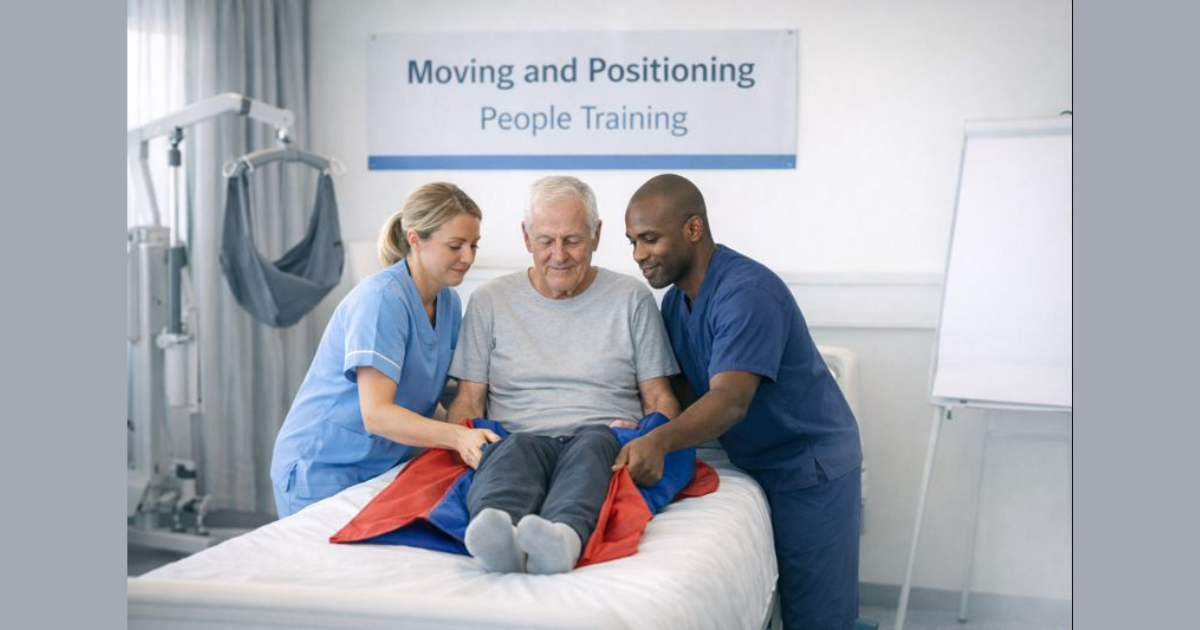
- Moving and positioning people: anyone who helps people move, transfer or reposition needs practical training on the hoists, slings and aids they use. Most care employers refresh this every year because handling habits slip and the risks are high. See our moving and handling people training.
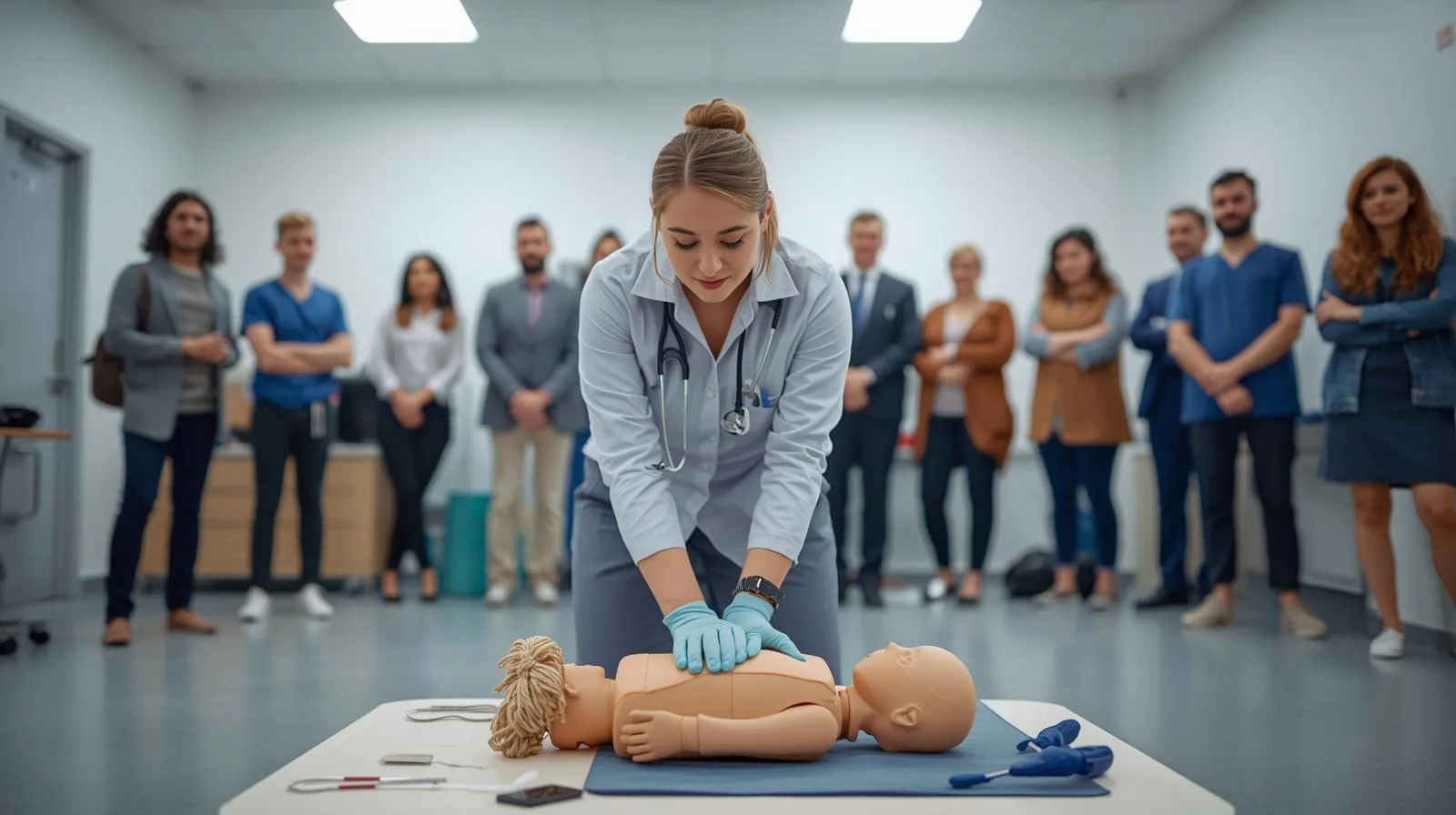
- Basic life support and first aid: staff who may need to respond to a collapse or choking need hands-on practice and assessment. Many care employers expect an annual update. See Basic Life Support training and Emergency First Aid at Work.
- Medication: staff who give medicines need training and a competency check before they do it unsupervised, and again at intervals after.
- Food hygiene: staff who prepare food or support people to eat and drink.
- Condition-specific training: where the people you support need it, for example epilepsy awareness and buccal midazolam for rescue medication, or catheter care and diabetes.
- Fire marshals: the staff you appoint to lead evacuations on each floor and shift need more than awareness. See fire marshal training.
- Water safety: staff who carry out your Legionella checks, such as flushing little-used outlets and recording water temperatures. See Legionella awareness training.
How often to refresh
Skills for Care's baseline is at least every three years for statutory and mandatory subjects, or sooner when a new risk or new guidance is introduced. In practice care employers set shorter cycles for practical, high-risk skills:
- Moving and handling people: annually is common, and some employers allow two years.
- Basic life support: certificates often last three years, with an annual update expected for staff who might respond to a cardiac arrest.
- Fire safety: annually is common.
- Safeguarding: one to three years, in line with your local safeguarding arrangements.
- Medication: regular competency checks, at least annually.
Whatever cycle you choose, write it into your training policy and stick to it. Inspectors check records against your own policy as much as against any national guidance.
The Care Certificate
New care workers in England are expected to complete the Care Certificate, a set of standards covering the knowledge, skills and behaviours expected in the role. It is an induction standard, not a replacement for mandatory training, and it doesn't remove the need to train each person for the specific tasks they will do.
Making it work on the floor
The hardest part of mandatory training in care isn't knowing what's required. It's getting staff trained without leaving the floor short. A few things help:
- Keep a training matrix by person and subject, with refresh dates, and look 60 days ahead.
- Train on site. Staff practise on your own hoists and in your own building, and nobody loses a shift travelling.
- Split the day. Half-day courses such as BLS and manual handling can run as two sessions on the same day, so one group covers the floor while the other trains.
- Keep the evidence together: certificates, what each person was assessed on, and the date of the next refresh.
Kasorb trains care teams on site anywhere in the UK, at one flat rate for the group, with certificates emailed the next day. For the wider legal picture across all workplaces, see our guide to mandatory health and safety training for employees, or read the difference between mandatory and statutory training.
FAQs
Is there an official list of mandatory training for care workers?
No single legal list exists. Skills for Care's statutory and mandatory training guide is the most widely used reference in adult social care in England, and CQC expects you to be able to explain how you decided what each role needs.
Does CQC require a specific training provider or accreditation?
No. CQC looks at whether staff are competent and whether you can evidence their training, not at which awarding body issued a certificate. Some commissioners or contracts do ask for accredited qualifications, so check yours.
Is e-learning enough for mandatory training?
For knowledge-based subjects it can be part of the picture. For practical skills such as moving and handling people, basic life support and first aid, staff need to practise and be assessed in person.
Who is responsible for making sure care staff are trained?
The registered provider. The registered manager usually runs it day to day, but the legal duty sits with the provider.
How quickly must new starters be trained?
Before they carry out a task unsupervised. Induction covers the basics on day one, and the Care Certificate is usually completed within the first 12 weeks, but anyone moving people or giving medicines needs training and a competency check before doing it alone.
On-site training for your whole team at one flat rate. See what's covered, prices and how to book.
See the course

Book a free 15-min consult call with us. We’ll help you get your mandatory training done right.